
Bronoir Shoes: What to Know Before You Buy
Bronoir isn't a scam, but it is an ordinary barefoot shoe with a copper plug, sold on health claims the evidence doesn't support.
Buyers complain about tight sizing, shipping from China despite the Canadian branding, and refunds that are hard to get.
Skip it if you have plantar fasciitis, flat feet, overpronation, neuropathy or diabetes.
If the wide toe box is the draw, you can get that with a removable insole, so support stays a choice. Our picks are further down.
If you spend any time on social media, you've probably met Bronoir. The ads are hard to miss: sleek barefoot-style shoes with a copper plug in the sole that supposedly "grounds" you to the earth as you walk. The pitch is seductive — reconnect with nature, reduce inflammation, walk the way humans were meant to walk. As a shop that has spent decades fitting feet, we get asked about these shoes often enough that it seemed worth sitting down and sorting out what's real, what's marketing, and what's still an open question.
What Bronoir shoes actually are
Strip away the copper and you have a fairly standard barefoot shoe: a zero-drop sole (heel and forefoot at the same height), a wide toe box, and minimal cushioning or support. That's a legitimate category. Plenty of people genuinely prefer it, and a roomy toe box in particular is something we recommend all the time — some Bronoir wearers with bunions have reported finding the shoes comfortable, which tracks with what wide toe boxes generally do.
The distinctive feature is the "grounding" system: a solid copper screw set into the sole, connected to a conductive insole, which the company says creates an electrical connection between your foot and the ground. This borrows from the "earthing" movement, which holds that direct contact with the earth's surface has health benefits. Here's where a skeptical reader should slow down. Independent clinical validation of grounding health claims is limited — the research that exists is thin, and the bold health promises in the ads run well ahead of the evidence. That doesn't make the shoes useless. It means you're mostly buying a barefoot shoe with a copper accessory, and you should price it accordingly.
What public reviews say
This is where the picture gets mixed. Some wearers are happy. But complaints on Trustpilot and elsewhere describe recurring themes: tight sizing on some models, and orders that ship from mainland China despite branding associated with Canada — a gap at least one reviewer called deceptive. Other reviewers report difficulty reaching customer service and trouble getting refunds, which matters a great deal when the sizing itself is a common complaint.
One report filed with the BBB Scam Tracker is worth mentioning specifically. The customer said they expected advanced copper technology and instead found what they described as a simple tack in the sole — and said they found the same shoe selling for $13 elsewhere. We can't verify that customer's experience ourselves, and it's one report, not a pattern we've confirmed. But it's the kind of account that should make you pause before paying a premium for the technology being advertised.
Who barefoot shoes suit — and who should think twice
To be fair to the category: for people with healthy, strong feet, minimal shoes can be perfectly reasonable, and some people transition to them happily. The problem is that "barefoot is natural, therefore barefoot is best" skips over a lot of actual feet.
Zero-drop, zero-support shoes are frequently a poor match for people with plantar fasciitis, where removing heel cushioning and arch support can aggravate the very tissue that's inflamed. They're a genuinely risky choice for anyone with neuropathy or diabetes, where a thin sole and reduced protection raise the stakes of every step. And people who overpronate or have flat feet often do worse, not better, when support is taken away entirely. If any of that describes you, a trend shoe from an Instagram ad is not the place to experiment. Our guide to the best shoes for plantar fasciitis explains what a sore heel actually needs, and our page on common foot conditions covers more of the why.
What to buy instead (if the toe box is what you actually wanted)
Here's the thing worth separating out. When people tell us they want a barefoot shoe, the reason is almost never grounding. It's that their toes are crushed. Every shoe they own tapers to a point, and a wide toe box feels like relief.
You can have that without giving up support. The shoes in our barefoot-curious collection all have a genuinely roomy forefoot and a removable insole — which is the part that matters most. Take the insole out and you have a roomy, low-fuss shoe. Leave it in, or drop in an orthotic, and you have support the day your feet ask for it. That's a decision you can change later. A zero-drop shoe with a bonded sole isn't.
If you have a specific problem rather than a general preference, start there instead: plantar fasciitis, bunions, flat feet, or overpronation.
Questions people ask about Bronoir
Is Bronoir legit or a scam? It is a real company selling a real product, so "scam" is the wrong word. The fair criticism is that the grounding health claims are not supported by good evidence, and that public reviews describe sizing and refund problems. Buy it as a barefoot shoe with a copper accessory, not as a medical device.
Where is Bronoir located, and where are the shoes made? The brand uses Canadian branding, and reviewers report that orders ship from mainland China. We could not confirm a physical headquarters, which is worth knowing if you ever need to return a pair.
Do Bronoir shoes have arch support? No. They are zero-drop barefoot shoes with a thin, flexible sole and no built-in arch support. That is by design, and it is why we steer people with plantar fasciitis, flat feet or overpronation away from them.
How does the sizing run? Tight, according to the most common complaint in public reviews. If you order, check the size chart against a shoe you already own rather than guessing.
What is the return policy? Read the written policy on their site before you buy. Several reviewers describe difficulty reaching customer service and getting a refund, so know the terms in advance.
What does the copper actually do? A copper plug in the sole connects to a conductive insole, which is meant to create an electrical path between your foot and the ground. That is the "grounding" or "earthing" idea. Independent evidence that this improves health is thin.
Where can I buy Bronoir shoes? From the company's own site. We do not sell them. If what you actually want is a wide toe box, our barefoot-curious collection has that with a removable insole, so you can add support later if you need it.
The brand name is often misspelled in searches as Bonoir or Bronair. Same shoe, same review.
Our honest suggestion
We're not going to tell you Bronoir shoes are a scam — some people like them, and barefoot footwear has its place. We will tell you that the grounding claims outrun the science, that public reviews describe real friction with sizing and refunds, and that the shoes are wrong for a lot of the feet we see.
Before spending on any trend shoe, it's worth knowing what your feet actually need. If you're not sure, take our Find My Fit questions — a few minutes, no email required — or just call us at 704-846-0301 and describe what's going on. We'll tell you honestly if a minimal shoe would be fine for you. Sometimes the answer really is "your feet are healthy, wear what you like."
We ship anywhere in the US and shipping is free over $75. Our Comfort Guarantee is simple: if they don't feel right, call us and we'll make it right with an exchange or a refund — by phone, with a person, which is worth something given what reviewers say about chasing refunds elsewhere. And if you're near Charlotte, Paul Henderson, our board-certified pedorthist, has been evaluating feet for over 35 years and the evaluation is free, no purchase required. We're at 924 Park Center Drive in Matthews.
What we'd actually put you in
Roomy toe box, removable insole, no gimmicks. Screened by a pedorthist.
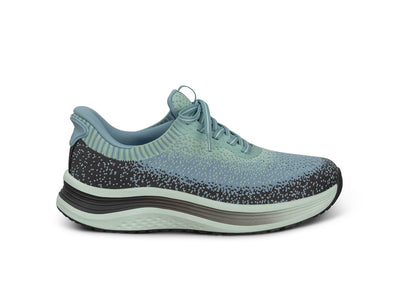 Orthofeet
Nira Hands-Free (Women's)
$129.00
Orthofeet
Nira Hands-Free (Women's)
$129.00
 Orthofeet
Tilos Hands-Free (Men's)
$129.00
Orthofeet
Tilos Hands-Free (Men's)
$129.00
 Taos Footwear USA
Taos Z Soul
$125.00
Taos Footwear USA
Taos Z Soul
$125.00
 Orthofeet
Rex Hands-Free (Men's)
$124.99
Orthofeet
Rex Hands-Free (Men's)
$124.99
 Orthofeet
Yari Hands-Free (Men's)
$129.00
Orthofeet
Yari Hands-Free (Men's)
$129.00
 Naot Footwear US
Naot Okahu
$184.95
Naot Footwear US
Naot Okahu
$184.95
 Orthofeet
Siron Hands-Free (Men's)
$124.99
Orthofeet
Siron Hands-Free (Men's)
$124.99
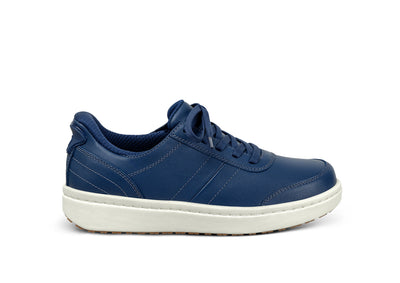 Orthofeet
Wander Hands-Free (Women's)
$129.00
Orthofeet
Wander Hands-Free (Women's)
$129.00