

Plantar-Fasciitis
Plantar Fasciitis
Raise your hand if you’ve ever felt personally victimized by plantar fasciitis!
Plantar Fasciitis is often described as a sharp pain in the heel, especially when getting up in the morning or after a prolonged period of sitting. This pain can range from simply uncomfortable, to saying all of those colorful four letter words you can think of. While the heel is most common area to feel this pain, it can be felt for some throughout the whole foot. This pain occurs when the plantar fascia, a thick band of tissue connecting the heel bone to the metatarsal heads, becomes overstretched and inflamed. In some cases, the fascia can even tear away from the bone- giving way for bones spurs to begin to form. In this blog, we will look into three of the ways that we feel you could benefit from if you are experiencing plantar fasciitis. Sometimes it’s a matter of doing one thing to fix it, and sometimes it’s a matter of throwing everything you can at it. It will vary from person to person.
1. Arch support/good shoes:
Arch support and good shoes are two halves to the story that is getting rid of plantar fasciitis. Having an arch support in your shoes gives your foot a more natural contour to match up to. This means that your plantar fascia will be sitting in its more natural position, rather than overstretching itself to reach the flat inside of your shoe. This will give it rest so the inflammation can begin to heal, while also not allowing it to get worse.
Now you might be thinking, “I’ve spent the time and money on finding the right orthotic, I’ll just put it in cheap shoes.” Unfortunately, it’s not quite that simple. It is still important to find quality shoes to provide good structure and stability since they will be working in conjunction with your orthotic. You’ll want to find a shoe that has a good balance of cushion AND structure, that also fits the size and shape of your foot well. It is important to keep up with wearing this support and refrain from going barefoot at home. Proper orthotic + good shoe = happier feet.
2. Ice
You’d be amazed the difference ice can make to a soft tissue injury like plantar fasciitis. Ice is a good tool for fighting inflammation, while also numbing the pain for a little while. One of my personal favorites to recommend- freeze a plastic bottle of water and roll it under your foot for about twenty minutes, a few times a day. The ice helps the inflammation, as stated above, but the act of rolling the bottle under your foot can sometimes properly stretch and massage your plantar fascia.
3. Physical Therapy
It is never a bad idea to try physical therapy when you are dealing with an injury. There are a variety of stretches you can try to help relieve your plantar fasciitis pain, but it is easy to overdo it or do it wrong altogether. This is where physical therapy can be beneficial. A physical therapist is educated in how to properly instruct you to do these stretches. Depending on how your pain is presenting, there might even be some stretches that are more beneficial to you than others. Physical therapy does not always require you to go through an insurance provider.
Plantar fasciitis is a painful foot condition, and it can have effects that impact your day to day life. It is important to understand what’s causing your plantar fasciitis so you know how to prevent it from coming back. Whether you’re in your 70s spending time with your grandkids, or in your teens playing sports for school, plantar fasciitis can affect anyone. It is important to remember if you are facing plantar fasciitis to; check your shoes to make sure they are providing you enough support, take time to rest and ice your feet daily, and consider finding a physical therapist local to your area. Plantar fasciitis does go away eventually- and is preventable from coming back!- if you know the right steps to take.
What we'd actually put you in
Roomy toe box, removable insole, no gimmicks. Screened by a pedorthist.
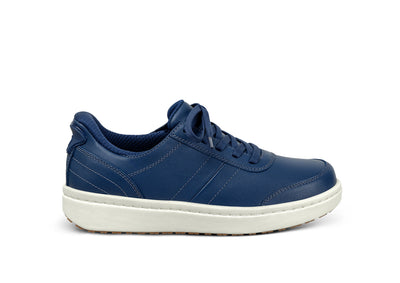 Orthofeet
Wander Hands-Free (Women's)
$129.00
Orthofeet
Wander Hands-Free (Women's)
$129.00
 Aetrex
Charlotte Lace-Up Sneaker
$159.95
Aetrex
Charlotte Lace-Up Sneaker
$159.95
 Orthofeet
Yari Hands-Free (Men's)
$129.00
Orthofeet
Yari Hands-Free (Men's)
$129.00
 Oofos
OOriginal Sandal 1000 - Women's
$59.95
Oofos
OOriginal Sandal 1000 - Women's
$59.95
 Orthofeet
Tilos Hands-Free (Men's)
$129.00
Orthofeet
Tilos Hands-Free (Men's)
$129.00
 Naot Footwear US
Naot Kayla
$149.95
Naot Footwear US
Naot Kayla
$149.95
 Oofos
OOahh Slide 1100 - Men's
$59.95
Oofos
OOahh Slide 1100 - Men's
$59.95
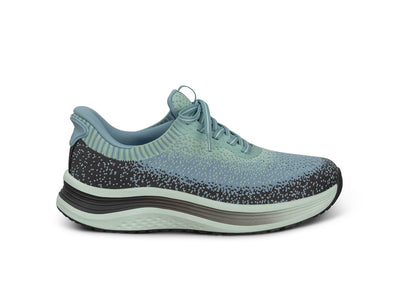 Orthofeet
Nira Hands-Free (Women's)
$129.00
Orthofeet
Nira Hands-Free (Women's)
$129.00